How to Choose Unique Vases for Flowers Based on Your Interior Style?

A floral arrangement can still look slightly off when the vase feels disconnected from the room. The flowers may be fresh, the colors may work, and the stems may be arranged well, but if the vase is too formal, too plain, or too decorative for the setting, the whole display can feel unsettled. Choosing unique vases for flowers is not just about finding something different. It is about choosing a form, proportion, and finish that makes the flowers feel natural in the space.
The best vase choices do two jobs at once. They support the flowers, and they support the room. That second part is what many people overlook. A vase is not only a container. In interior styling, it behaves more like a design object, adding shape, texture, balance, and mood. Once you start viewing it that way, the decision becomes much clearer.
If you want to explore different shapes, sizes, and styles first, browse the full collection of unique vases for flowers here: https://vasemarket.com/glass-vases/unique-vase
Start with the room before you start with the flowers
One of the most common styling mistakes is choosing flowers first and then forcing them into whatever vase is available. In most interiors, the better approach is to read the room first. Look at the furniture lines, materials, architecture, and accessories. Is the space modern and minimal, traditional and layered, or eclectic and expressive? That will usually tell you what kind of vase belongs there.
A room with clean lines, stone surfaces, and metal accents often works better with cylinders, clear glass, or controlled sculptural shapes. A softer space with warm wood, books, layered textiles, and decorative details can hold a fuller or more expressive vessel more naturally. The goal is not exact matching. It is visual agreement.
Why shape matters more than people think
Color usually gets attention first, but shape often has a bigger impact. The silhouette influences how the arrangement feels across the room. It can make the display look crisp, soft, formal, playful, or dramatic before anyone notices the flowers.
A few simple guidelines help:
- Straight-sided vases feel clean and architectural
- Rounded bowls and compotes feel softer and more classic
- Bud vases feel delicate and controlled
- Tiered or carved forms feel more decorative
- Tall trumpet shapes create height and formality
- Asymmetrical or slanted forms feel more artistic
This is why unique flower vases are so useful in home styling. Their outline already adds character, even before flowers are placed inside.
How to match vase styles to modern interiors
Modern interiors usually respond best to clarity. That does not mean the vase has to be plain. It just means the design should feel intentional. Clean geometry, transparent glass, and balanced proportions tend to work well in minimalist, Scandinavian, and contemporary homes.
In these spaces, it helps to choose a vase with one strong visual idea instead of too many details. A cylinder, a simple bud vase, or a smooth sculptural shape often feels right because it adds interest without clutter.
A practical option is:
Glass Cylinder Bud Vase H-5.5" W-2.5"
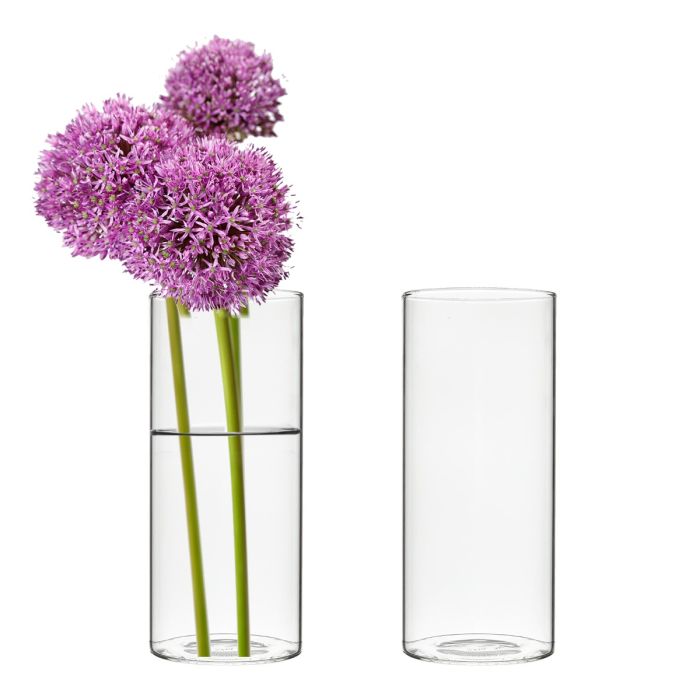
This style works well on shelves, nightstands, desks, and smaller dining settings where a few stems are enough.
If you want something modern with a softer edge, this is a strong choice:
Wavy Ruffle Glass, Flower Bouquet Vase. H-6", Open D-6.5"
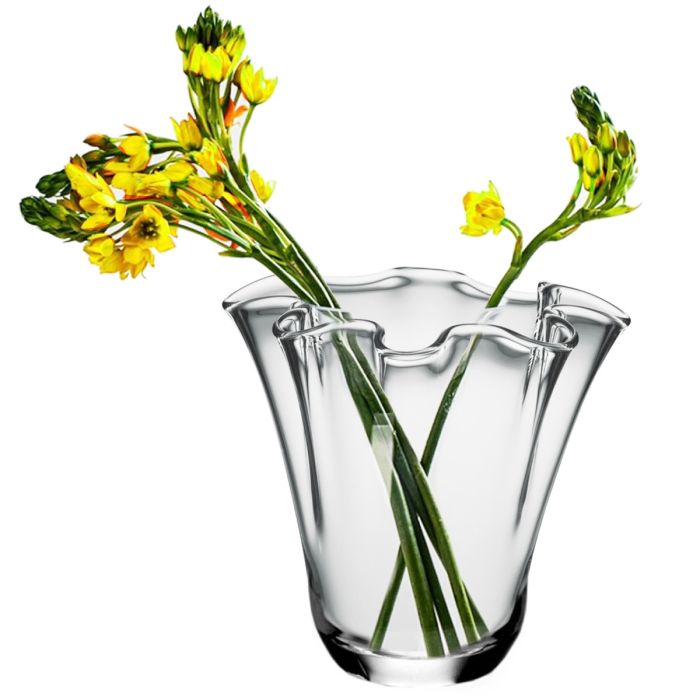
The ruffled opening adds movement, which works beautifully with looser flowers like tulips, ranunculus, or peonies.
What works best in traditional interiors
Traditional interiors usually have more warmth and layering. There may be wood furniture, framed art, upholstered seating, and a stronger sense of symmetry. In these rooms, a vase can carry more visual presence. Footed bowls, compotes, and pedestal forms often work especially well because they echo the richness of the setting.
Compote vases are particularly useful in traditional spaces. Their profile feels balanced and decorative, and they suit lower, fuller arrangements that look generous without feeling bulky.
A classic example is:
Glass Footed Fruit Bowl. H-4.5" D-12" Pedestal Compote Vase, Pack of 3 pcs
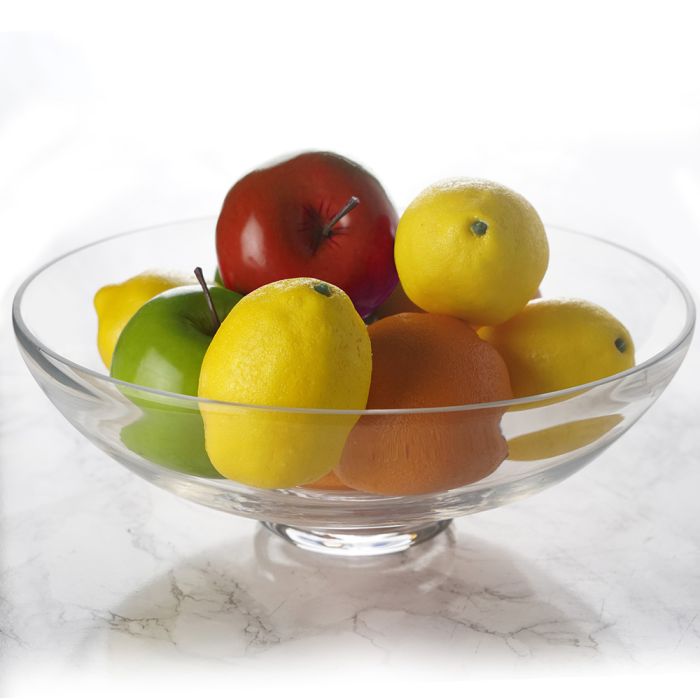
This kind of vessel suits roses, peonies, hydrangeas, and mixed centerpieces.
For a larger statement, this piece offers more scale:
Glass Footed Compote Fruit Bowl. H-8.5" D-12" Pedestal Centerpiece

The wider bowl gives room for fuller floral styling while keeping an elegant shape.
How to style vases in rustic, farmhouse, and organic interiors
Rustic and farmhouse interiors usually feel grounded and tactile. Wood, linen, woven textures, stone, and aged finishes often shape the room. In these settings, the vase should not feel too polished or overly formal. Softer curves, warmer tones, and more relaxed forms usually work better.
Glass can still fit beautifully here, but it helps when the shape has a bit of softness or the color adds warmth. Rounded bud vases, wavy glass, and amber or olive tones often sit naturally alongside organic materials.
A simple option is:
Mini Glass Flower Bud Vase H-5.5" W-2.5"
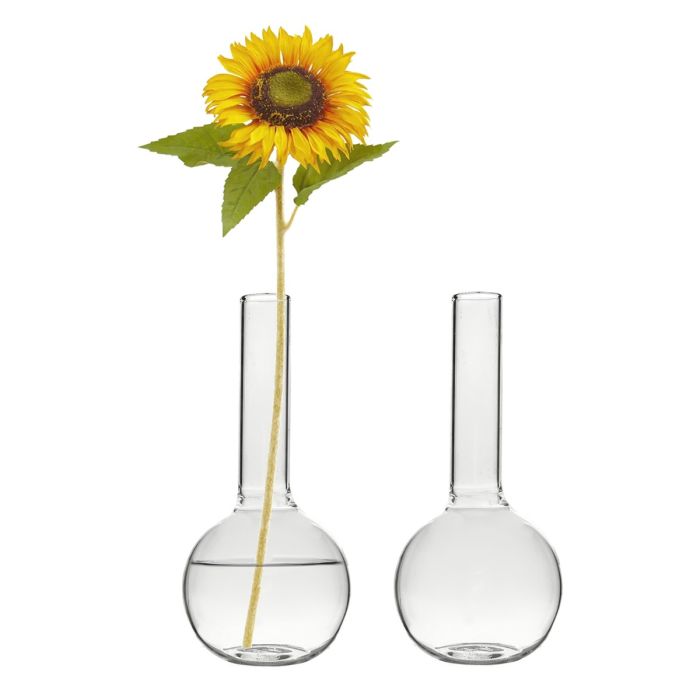
Use several together on a dining table, shelf, or windowsill with clipped garden stems or dried flowers.
For warmer decorative styling, colored glass can feel even more at home:
Teardrop Amber Orange H-14" D-1.5" Decorative Vase
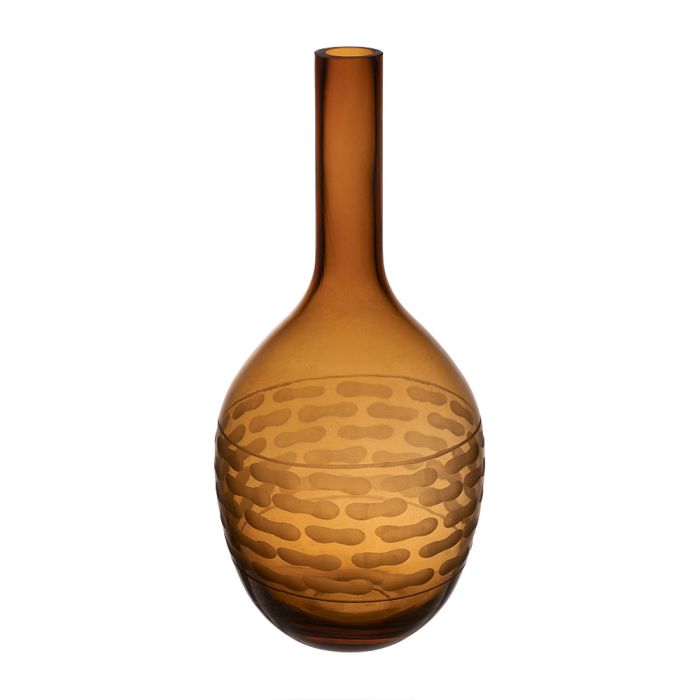
Amber glass pairs especially well with oak, terracotta, cream textiles, and autumn branches.
Choosing unique vases for eclectic interiors
Eclectic interiors can handle more personality, but they still need intention. The goal is not random contrast. It is curated contrast. In rooms with layered books, mixed materials, bold art, and collected objects, unusual vase shapes often feel right because the space already welcomes variety.
This is where distinctive silhouettes really work. Wavy glass, heart-shaped bud vases, tiered profiles, and colored art-glass pieces can all suit eclectic interiors when they connect to something else in the room through tone, line, or mood.
For smaller accents, this piece works well:
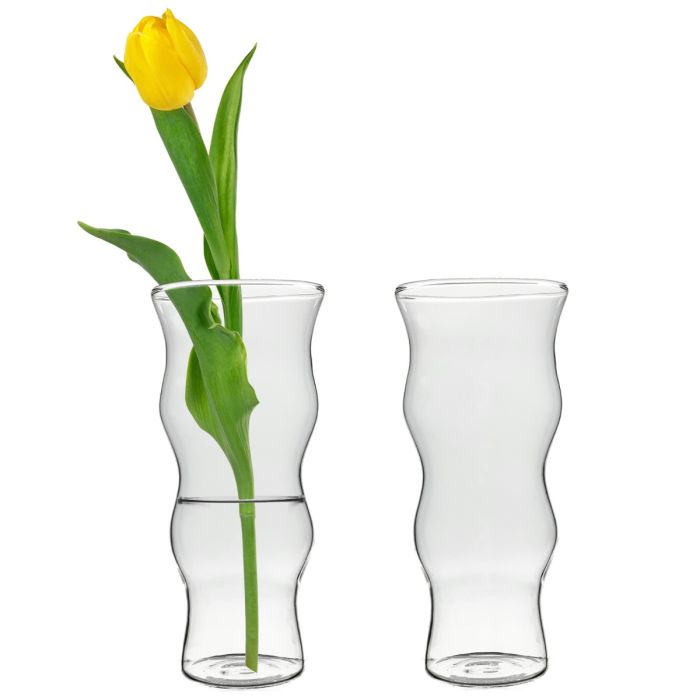
Glass Wavy Bud Vase H-5.5" W-2.5"
For a stronger decorative statement, this is a good fit:
Carved Tiered Orange Green Hourglass Vase. H-15" D-2.7"
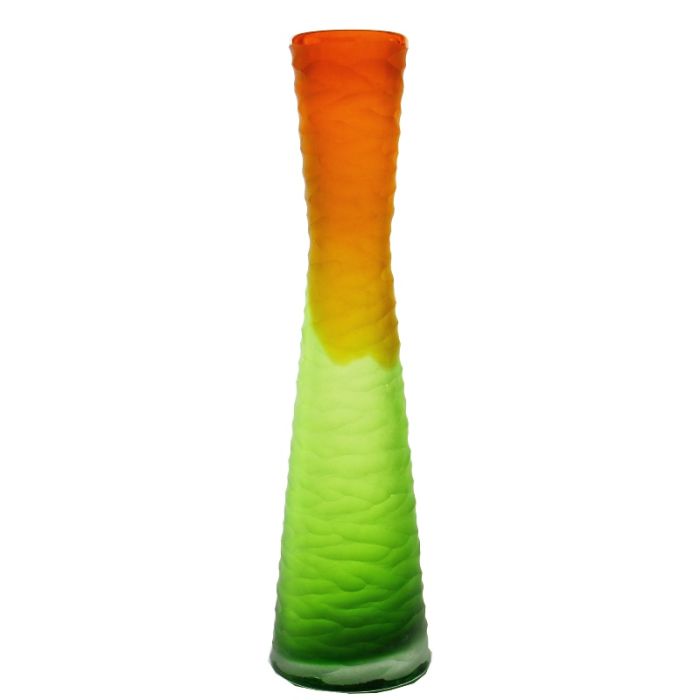
It works well on shelves, consoles, and styled cabinets because it feels decorative even without flowers.
Why vase color should echo the room, not fight it
The best vase color usually does not copy the room exactly. It connects to it. Clear glass works because it reflects light and lets the flowers stay prominent. Colored glass works when it picks up tones already present in the interior, such as olive, amber, black, blush, or warm wood notes.
Clear glass is the easiest choice across seasons and styles. It feels light, versatile, and easy to style. Colored glass becomes stronger when you want the vase itself to act as part of the décor.
For interiors with green accents, this is a strong option:
Teardrop Olive Green H-14" D-1.5" Decorative Vase
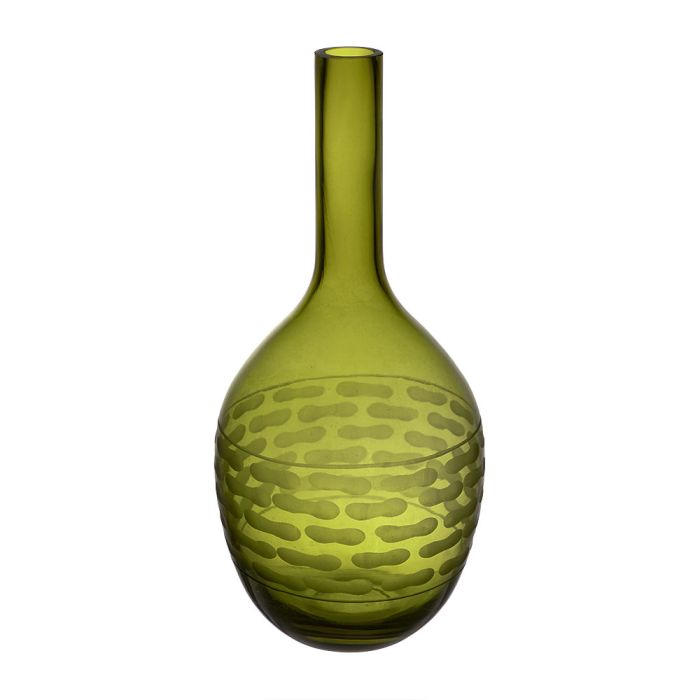
That olive tone pairs beautifully with wood, stone, botanical styling, and mid-century inspired spaces.
Match the vase opening to the type of floral arrangement you want
Style matters, but function still matters just as much. A vase can look perfect in the room and still be wrong for the flowers if the opening does not support them properly. That is why width, neck size, and height should always be considered along with appearance.
A few practical rules help:
- Narrow openings suit single stems and minimalist arrangements
- Medium openings work for casual bouquets
- Wide openings suit fuller centerpieces
- Tall narrow vases support longer stems
- Low wide bowls encourage abundant, spread-out arrangements
This is one reason different interiors often need different vase mechanics too. A bud vase suits restrained styling, while a compote supports lush dining-table florals.
Use grouping when one vase feels too forced
Not every room wants one focal vase. Sometimes several smaller vessels work better. Grouping bud vases is especially useful when you want the result to feel lighter, more relaxed, and less formal. It also works beautifully on long tables, shelves, and mantels.
Scale matters just as much as style
A good vase can still feel wrong if the scale is off. If it is too small, it disappears. If it is too large, it overwhelms the furniture and makes the flowers feel secondary. The easiest way to judge scale is to compare the vase to the surface it will sit on, not only to the bouquet.
In most homes:
- Coffee tables suit lower or grouped pieces
- Dining tables need low centerpieces or narrow forms
- Entry consoles can handle taller statements
- Shelves work better with slimmer profiles
- Nightstands and bathrooms usually need compact vases
Because unique vases for flowers already have character, they do not always need to be large to make an impact.
How seasonality changes the best vase choice
A vase that feels perfect in spring may not feel quite right in autumn. You do not need to change everything seasonally, but it helps to notice how mood shifts throughout the year.
In spring and summer, clear glass, light forms, and soft curves work well with tulips, peonies, and blossom branches. In autumn, amber, olive, and warmer tones usually feel more grounded. In winter, architectural shapes or darker dramatic pieces often feel sharper and more intentional.
This is why many homes benefit from having a few different vase types available: one bud vase, one wider compote, and one taller decorative statement piece.
A simple way to decide if a vase belongs in your space
If you are unsure whether a vase fits your interior, use this quick test:
- Look at the room from a distance
- Notice the dominant shapes already present
- Ask if the vase repeats or softens those lines
- Check whether the color connects with something in the space
- Think about the flowers you actually use
- Picture the vase empty as well as full
That last step matters more than people expect. The strongest vases still look good when they are not holding flowers.
How floral type influences the best vase style
Different flowers naturally suit different containers. Roses, peonies, and hydrangeas often look best in supportive shapes that hold a rounded arrangement. Tulips and calla lilies work beautifully in taller or more sculptural glass. Single stems and clipped branches usually look best in narrow-neck or artistic vessels.
The best result usually comes from the overlap between room style and flower structure. That is what makes the arrangement feel designed rather than improvised.
One more thing people overlook: the vase should fit your real habits
It is easy to choose a vase based on how it looks in a photo, but everyday use matters. If you buy flowers often, practical shapes that are easy to clean and restyle are usually the better investment. If you prefer clipped garden stems, smaller bud vases may serve you more often. If you mostly decorate for gatherings, wider compotes and statement centerpieces may make more sense.
That practical side is part of what makes a vase worth keeping. The best ones work across different flowers, rooms, and seasons.
Final thoughts
Choosing the right vase for your home is not about picking the most unusual design. It is about choosing a shape, scale, and finish that helps the flowers and the room feel right together. A modern interior may want cleaner lines. A traditional room may suit pedestal bowls and fuller forms. Rustic spaces often respond to softness and warmth. Eclectic interiors can carry more expressive shapes and color.
If you want the simplest answer, it is this: study the room first, then choose the vase that feels like it belongs there even before the flowers arrive. When that part is right, the whole arrangement looks more natural and more complete.
If you want to explore more options, Vase Market offers distinctive glass styles ranging from bud vases to decorative centerpiece pieces that work across many interiors and floral arrangements.
About the Author